

Summer is often one of the most stressful seasons for trees, especially during periods of high heat, drought conditions, strong storms, and fluctuating moisture levels. While healthy trees are naturally designed to withstand changing weather conditions, prolonged heat and environmental stress can weaken trees over time and increase the risk of decline, decay, limb failure, or long-term health problems.
Many homeowners do not realize that signs of tree stress often begin during summer months long before major damage becomes visible. At Pleasant Trees, we provide professional arborist services, tree risk assessments, pruning, tree preservation, plant health care, lightning protection systems, and tree cabling services throughout Annapolis, Anne Arundel County, Queen Anne’s County, and surrounding Maryland communities. Understanding how summer heat affects tree health can help homeowners better protect mature trees and identify potential concerns early.
TL;DR: How Summer Heat Affects Tree Health
- Extreme heat and drought conditions place stress on trees
- Summer storms can increase the risk of limb failure and structural damage
- Professional arborist inspections help identify hidden tree concerns early
Heat Stress Can Weaken Trees Over Time
Trees rely heavily on moisture to remain healthy during the summer season. Extended periods of high temperatures and limited rainfall can create drought stress that affects both the root system and the upper canopy of the tree.
When moisture levels become too low, trees may begin conserving resources in an effort to survive stressful conditions. This can weaken overall tree health and make the tree more vulnerable to insects, disease, decay, and storm damage.
Mature trees, newly planted trees, and trees already experiencing underlying health problems are often more susceptible to summer stress conditions. Over time, prolonged heat exposure may affect root growth, nutrient absorption, branch stability, and overall structural health.

Summer Heat Can Cause Visible Warning Signs
In many cases, trees begin showing signs of stress during prolonged summer heat. Homeowners should pay attention to changes in the appearance or condition of their trees throughout the warmer months.
Common warning signs may include:
- browning or scorched leaves
- premature leaf drop
- thinning canopies
- dead branches
- wilting foliage
- bark cracking
Drought Conditions Often Affect Root Systems
Tree roots are heavily impacted during periods of extreme heat and limited rainfall. When soil moisture levels remain low for extended periods, root systems may struggle to absorb the water and nutrients necessary to support healthy growth.
Compacted soil, poor drainage, construction damage, and limited root space can make drought stress even worse. Trees growing near sidewalks, patios, driveways, or heavily developed areas are often especially vulnerable during dry summer conditions.
In some situations, weakened root systems may increase the likelihood of tree instability or limb failure during storms and high winds.

Summer Storms Increase Structural Risks
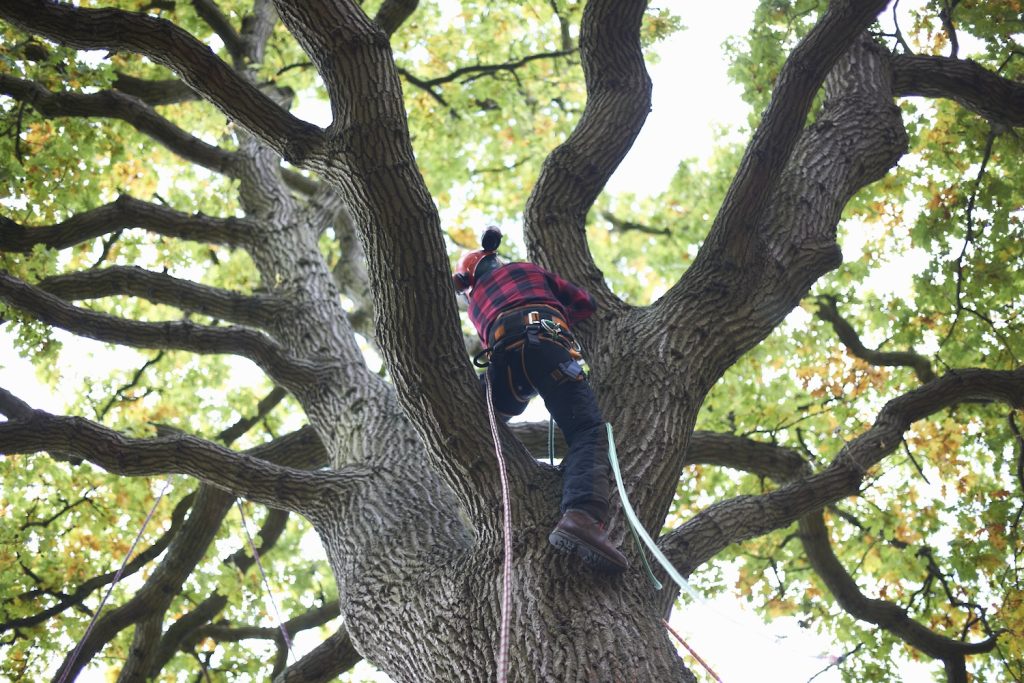
Summer weather in Maryland often brings strong thunderstorms, heavy rain, lightning, and high winds. Trees already weakened by heat stress or drought conditions may become more vulnerable during these storm events.
Heavy limbs, weak branch unions, internal decay, and stressed root systems can all contribute to structural failure during severe weather. In many cases, these weaknesses may not be obvious to homeowners until damage occurs.
- Professional arborist services can help identify structural concerns before major storm damage develops. At Pleasant Trees, our certified arborists provide tree risk assessments and preservation-focused evaluations designed to help homeowners better understand the condition and stability of their trees.
Mature Trees Require Ongoing Monitoring
Large mature trees provide significant shade, beauty, and environmental value for residential properties, but they also require ongoing monitoring to maintain long-term health and safety.
Older trees are more likely to develop internal decay, deadwood accumulation, structural weaknesses, and storm-related vulnerabilities over time. Because many of these issues are not immediately visible from the ground, professional arborist evaluations play an important role in identifying hidden concerns before they worsen.
Our team at Pleasant Trees specializes in long-term tree preservation, structural evaluation, and proactive tree care throughout the Annapolis area.
Proper Tree Care Helps Reduce Summer Stress
Preventative tree care can help trees better tolerate summer heat and environmental stress. Healthy trees are often more resilient during drought conditions and severe weather events.
Professional tree care services may include:
Professional Tree Risk Assessments Help Identify Hidden Problems
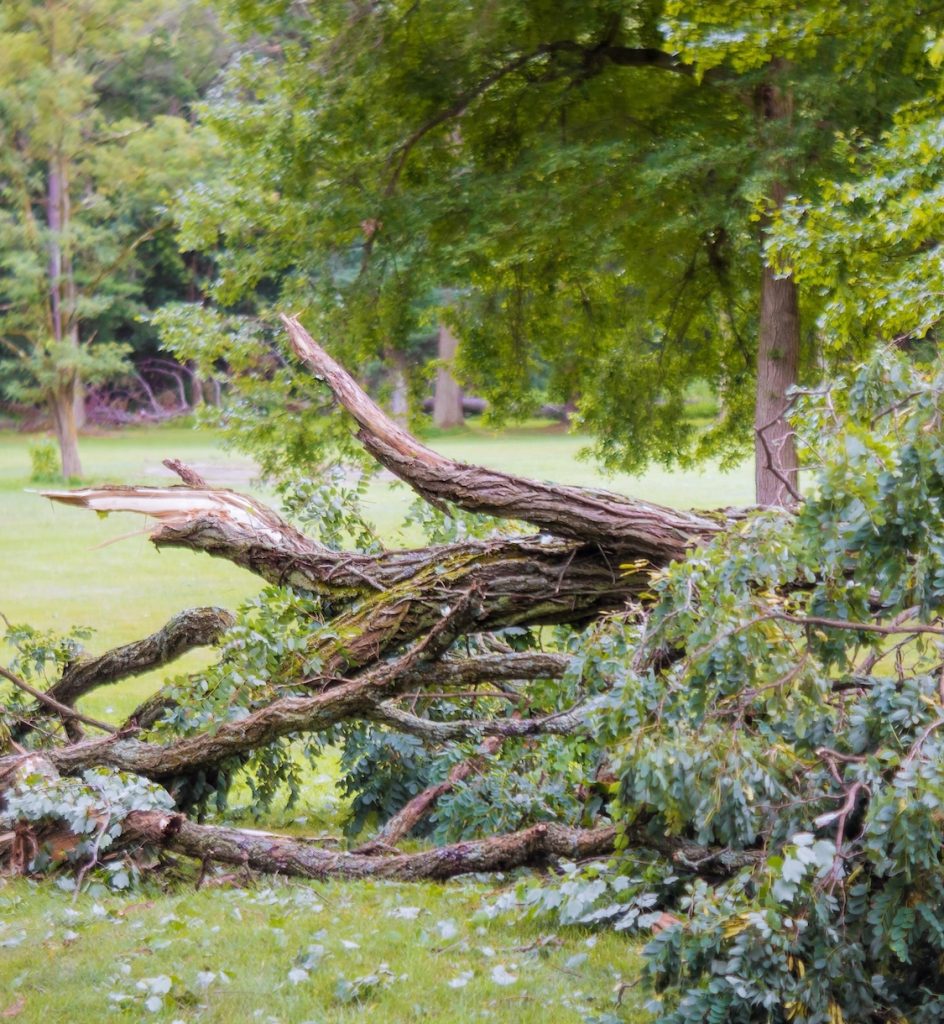
One of the most important services homeowners can schedule during summer months is a professional tree risk assessment. Trees may appear healthy externally while still developing hidden structural or internal health concerns.
At Pleasant Trees, our certified arborists provide professional evaluations designed to identify:
- structural weaknesses
- hazardous limbs
- root instability
- decay concerns
- storm-related vulnerabilities
Professional Arborist Services for Summer Tree Health Concerns
Summer heat, drought conditions, and seasonal storms can place significant stress on trees throughout Maryland. Addressing tree concerns early is one of the best ways to help protect both tree health and property safety long term.
Pleasant Trees provides certified arborist services, tree risk assessments, tree pruning, plant health care, lightning protection systems, cabling and bracing, and tree preservation services throughout Annapolis, Anne Arundel County, Queen Anne’s County, and surrounding Maryland communities.
If you are noticing signs of tree stress, dead branches, leaning trees, storm damage, or other tree health concerns this summer, our arborist team can help evaluate the condition of your trees and recommend the best course of action. Contact us today to get started.
Tree Care FAQs
Extreme heat and drought conditions can weaken trees by limiting moisture absorption, stressing root systems, and increasing vulnerability to insects, disease, and structural failure. Prolonged heat exposure may also reduce a tree’s ability to recover from existing environmental stress or previous storm damage.
Common signs include browning leaves, wilting foliage, premature leaf drop, thinning canopies, dead branches, bark cracking, and fungal growth near the base of the tree. Some trees may also show slowed growth, brittle limbs, or sections of the canopy that fail to leaf out properly.
Yes. Extended drought conditions can weaken root systems, reduce nutrient absorption, and increase overall stress on mature trees. Even large established trees may struggle during prolonged dry periods if soil moisture levels remain consistently low.
Trees weakened by drought stress, decay, structural defects, or excess limb weight may be more vulnerable to high winds, heavy rain, and storm-related failure. Overgrown or unbalanced canopies may also place additional stress on large branches during severe weather conditions.
A tree risk assessment is a professional arborist evaluation used to identify structural weaknesses, hazardous limbs, decay, and other safety concerns that may affect tree stability. These assessments help property owners better understand potential risks before trees or limbs become dangerous during storms or changing weather conditions.